When we published the results of our independent testing of six Weet-Bix products, one result immediately stood out.
In our earlier article, Weet-Bix Glyphosate Test Results — Round Two, the gluten-free version tested far higher for glyphosate than the other products in the group.
While several products tested below the laboratory reporting limit of 0.01 mg/kg, and others showed relatively low detectable levels, the gluten-free version returned a glyphosate result of 3.9 mg/kg (3,900 ppb).
The result also raised a much larger question:
Why would a product marketed as gluten free, low FODMAP, and health-focused contain the highest glyphosate level of the entire group?
The answer may have less to do with “gluten-free” itself — and far more to do with where the grain comes from, how it is grown, and the regulatory systems surrounding imported foods.
What Is Sorghum?
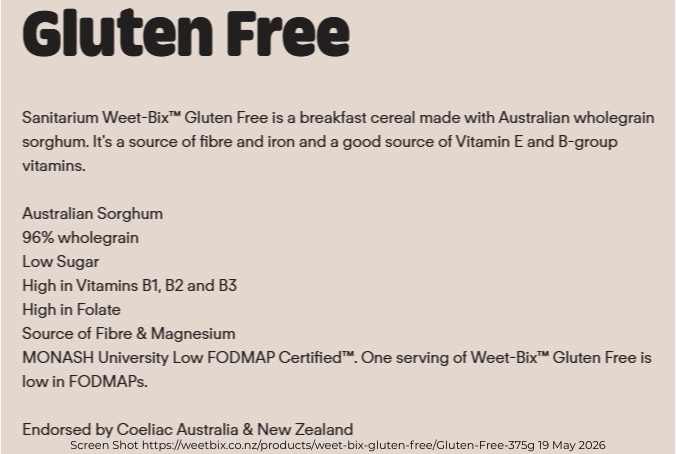
According to Sanitarium’s official product page, Weet-Bix™ Gluten Free is made from Australian wholegrain sorghum.
Sorghum is a cereal grain, much like wheat, barley, oats, or maize. It has been grown for thousands of years and is commonly used in hot, dry climates because it is highly drought tolerant.
Unlike wheat, sorghum does not naturally contain gluten proteins, which is why it is often used in gluten-free foods aimed at people with coeliac disease or gluten intolerance.
From a nutritional perspective, sorghum can be promoted as a healthy grain. It contains fibre, minerals, and antioxidants, and has become increasingly popular in specialty and health-food markets.
But being gluten free does not automatically mean a crop is grown differently — and that distinction matters.
Sorghum and Glyphosate Use in Australia
One of the most important differences between New Zealand and Australia involves pre-harvest glyphosate use.
In New Zealand, glyphosate is not permitted for pre-harvest desiccation on cereal grains intended for human consumption. New Zealand Food Safety confirmed this restriction in late 2025 when it maintained cereal residue limits at 0.1 mg/kg while also restricting certain pre-harvest uses.
Australia, however, still permits pre-harvest glyphosate use on a range of crops under certain conditions.
That matters because pre-harvest spraying can increase the likelihood of detectable residues remaining in harvested grain.
Glyphosate may be sprayed shortly before harvest to dry crops down evenly and speed up harvesting efficiency. The closer spraying occurs to harvest, the greater the potential for residues to remain in the final food product.
This does not automatically prove that pre-harvest spraying caused the 3.9 mg/kg result found in the gluten-free Weet-Bix product.
But it is one plausible explanation that deserves serious consideration.
Especially when the product itself openly states it is made from Australian sorghum.
How Is Sorghum Different From Wheat?
Botanically, sorghum and wheat are different plants.
Wheat belongs to the Triticum genus, while sorghum belongs to the Sorghum genus. Sorghum grains are typically smaller, rounder, and naturally gluten free.
But from a farming perspective, both are broadacre grain crops often grown at industrial scale.
That means many of the same agricultural pressures still exist:
In other words, “gluten free” does not necessarily mean “low chemical input.”
That means many of the same agricultural pressures still exist, including weed management, harvest timing, moisture control, mechanised harvesting, and pressure to maximise yield and efficiency.
Consumers often assume the two go together. But they are not the same thing.
A product can be gluten free while still carrying detectable agricultural chemical residues.
The Australian Residue Limit Is Higher
Another important piece of context involves Maximum Residue Limits (MRLs).
MRLs are the legal maximum amount of pesticide residue permitted in food products. They are designed to reflect approved agricultural use patterns and are often used by regulators to determine whether a food complies with applicable standards.
Australia permits some glyphosate uses on grain crops that differ from the current New Zealand restrictions on cereal grains intended for human consumption. That distinction matters because Sanitarium’s gluten-free Weet-Bix is made using Australian wholegrain sorghum rather than New Zealand-grown wheat.
Our independently tested gluten-free Weet-Bix sample returned a glyphosate result of 3.9 mg/kg (3,900 ppb).
The 3.9 mg/kg result would still sit below the current Australian glyphosate MRL for sorghum grain, which is set at 15 mg/kg — substantially higher than the 0.1 mg/kg residue limit New Zealand retained for wheat, barley, and oats during its recent cereal residue review.
That contrast highlights how different countries, crops, and farming systems can operate under very different regulatory assumptions — even when foods ultimately end up on the same New Zealand supermarket shelves.
Interpreting what that means in practice is not always straightforward. Residue standards can vary significantly between countries, crops, and processed food categories, and imported products may fall under different compliance frameworks depending on how ingredients are classified and sourced.
And this is where things can quickly become confusing for ordinary consumers.
Most people reasonably assume that food sold on New Zealand supermarket shelves reflects New Zealand growing practices and residue expectations. But under modern trans-Tasman trade arrangements, products and ingredients may originate from farming systems operating under quite different agricultural rules, spray practices, and allowable residue thresholds.
The Trans-Tasman Mutual Recognition Arrangement (TTMRA)
Under the Trans-Tasman Mutual Recognition Arrangement (TTMRA), many foods that can legally be sold in Australia can also be sold in New Zealand.
The system was designed to reduce trade barriers and create a shared marketplace between the two countries.
But it also creates an uncomfortable question:
What happens when agricultural practices differ between countries?
New Zealand consumers may assume food on local shelves reflects New Zealand growing standards.
But imported ingredients may have been grown under entirely different farming systems and chemical use rules.
Most consumers have no idea this distinction even exists.
A Bigger Question About “Health” Foods
There is another layer to this discussion that deserves attention.
Products like gluten-free cereals are often marketed directly toward health-conscious consumers.
People buying gluten-free products may already be dealing with digestive disorders, autoimmune conditions, chronic inflammation, or food sensitivities. Others simply assume gluten-free products are cleaner or healthier overall.
Yet our highest glyphosate result came from the very product many consumers might perceive as one of the “healthier” choices.
That does not necessarily mean the product is unsafe.
But it does challenge a growing assumption in modern food marketing:
That branding language like “wholegrain,” “gluten free,” “health food,” or “low FODMAP” automatically reflects lower chemical exposure.
Those are not always the same thing.
The Real Issue Is Transparency
At this point, some people will inevitably ask:
“Is 3.9 mg/kg dangerous?”
That is not actually the only question worth asking.
A more important question may be:
Why are consumers expected to navigate a food system where independently funded citizen testing is sometimes the only way residue levels become visible at all?
Most consumers instead see health branding, nutrition claims, endorsements, and carefully curated packaging — but rarely the underlying residue data itself.
But they rarely see testing transparency.
And that may be the deeper issue exposed by this story.
Looking Ahead
The gluten-free Weet-Bix result does not, on its own, tell us everything about long-term exposure or health outcomes. What it does do is raise legitimate questions about imported ingredients, agricultural practices, regulatory differences between countries, and the assumptions many consumers make about “health-focused” foods.
At minimum, it highlights why independent testing matters, because without testing, these conversations rarely happen at all.
Further Reading
Independent Weet-Bix Testing Reveals Major Glyphosate Differences
The full results from our independent testing of six Weet-Bix products, including laboratory findings, product comparisons, and discussion around glyphosate residues detected across the range.
Open Letter to Sanitarium Regarding Weet-Bix Glyphosate Findings
Our public letter to Sanitarium following the testing results, raising questions about ingredient sourcing, consumer expectations, transparency, and glyphosate residue levels in health-focused food products.
Glyphosate “Safe Levels”: How Pesticide Limits Are Actually Set
An explainer examining how pesticide residue limits are determined, what regulators mean by “safe levels,” and why those thresholds can differ significantly between countries and crop types.
What Does “No Observed Adverse Effect Level” (NOAEL) Actually Mean?
A closer look at one of the core concepts used in toxicology and pesticide regulation, including how NOAELs are used in risk assessments and why “no observed adverse effect” does not necessarily mean “no biological effect.”
Trans-Tasman Mutual Recognition Arrangement (TTMRA)
The Ministry for Primary Industries – MPI
Overview of the trade arrangement allowing many goods legally sold in Australia to also be sold in New Zealand.
Weet-Bix™ Gluten Free Product Information — Sanitarium
Sanitarium’s product page describing the cereal as being made from Australian wholegrain sorghum.
Glyphosate Residue Limits to Stay at 0.1 mg/kg for Wheat, Barley and Oats
New Zealand Food Safety
New Zealand Food Safety announcement outlining restrictions on pre-harvest glyphosate use for cereal grains intended for human consumption.
Image Source & Attribution
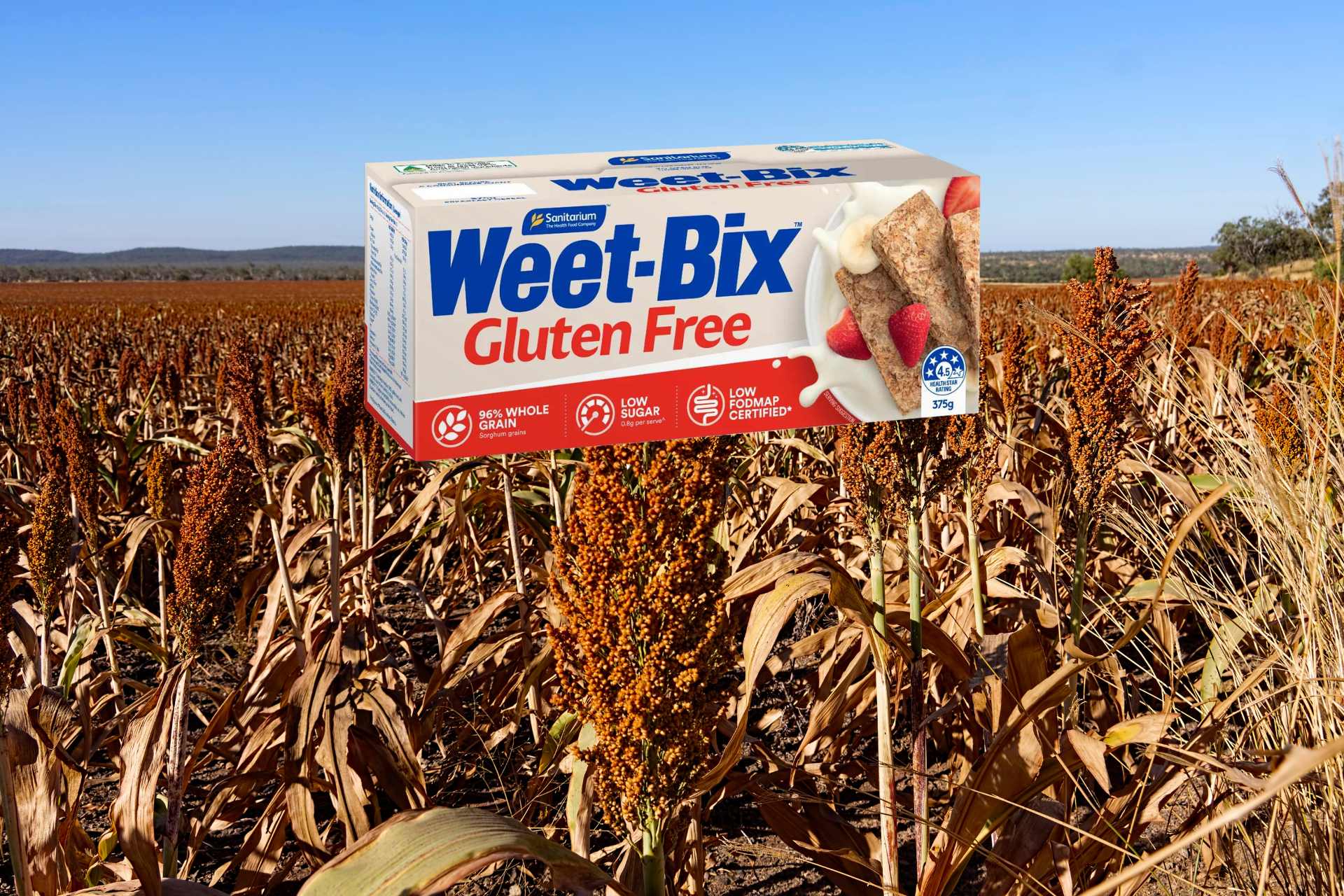
The feature image on this page was created by No More Glyphosate NZ using a sorghum crop photograph by IngeBlessas, combined with a Weet-Bix™ Gluten Free product image and edited in Canva.