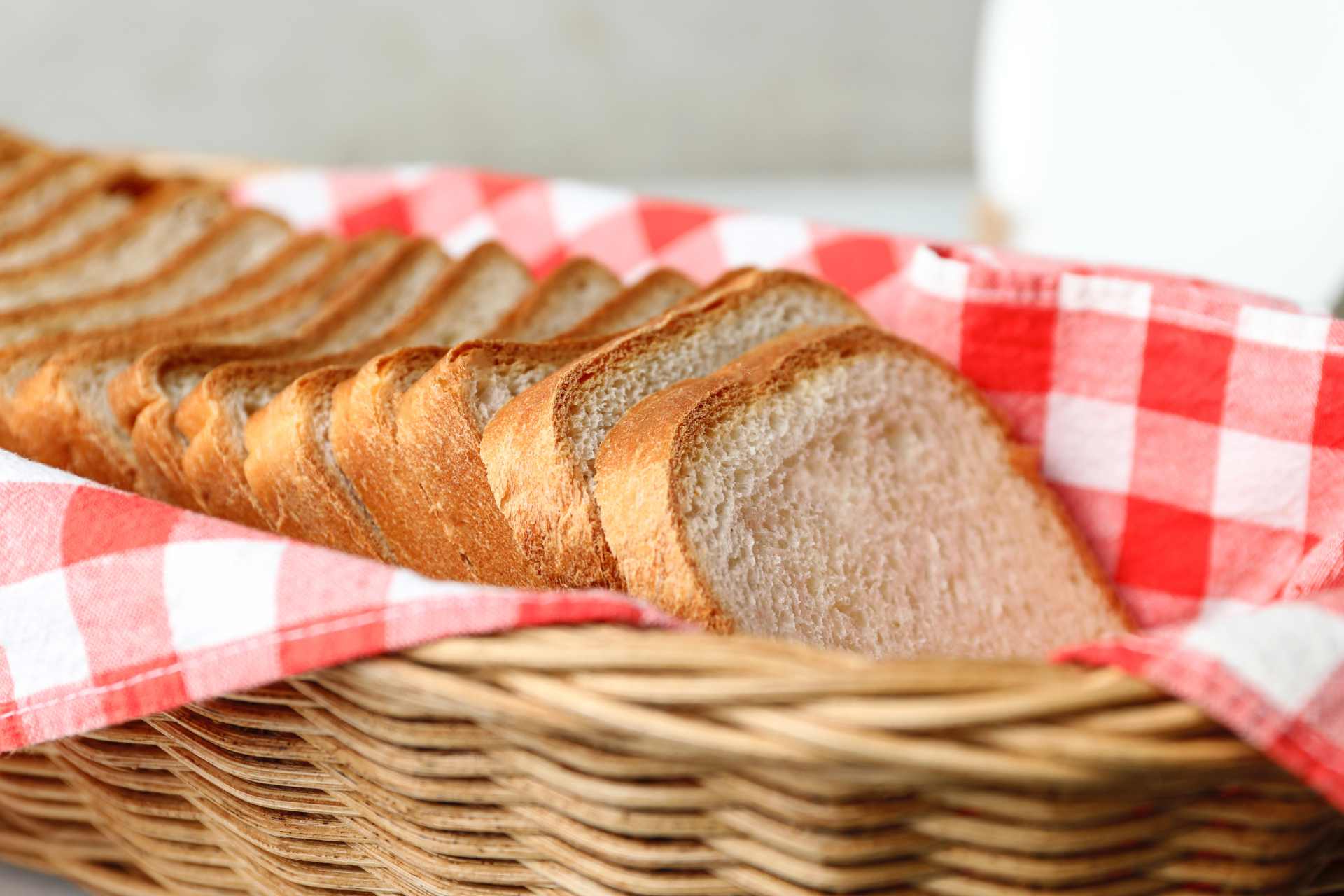
Bread is one of the most commonly eaten foods in the modern diet.
It shows up at breakfast, in lunchboxes, alongside dinner, and as snacks in between. For many households, it’s eaten daily — often starting in childhood and continuing for decades. So when glyphosate residues are detected in bread, the response tends to follow a familiar script.
We’re told the levels are tiny. That they fall well below regulatory thresholds. That a person would need to eat thousands of slices a day to reach any level of concern.
The maths behind that reassurance is usually correct — within the assumptions used.
But starting the conversation with extreme consumption scenarios risks missing a more relevant question: how exposure actually happens through everyday eating patterns.
Why “Thousands of Slices a Day” Sounds Reassuring
Statements like “you’d need to eat thousands of slices a day” work because they reduce a complex issue into a single, digestible comparison.
They rely on a simplified exposure model:
- One food
- One chemical
- One day at a time
Under those conditions, most foods will appear unproblematic. Regulatory systems are built around similar assumptions, using averages and safety margins to manage risk across large populations.
That doesn’t make the calculations dishonest — but it does make them incomplete.
Why Glyphosate Exposure Doesn’t Happen One Food at a Time
In real life, exposure doesn’t reset at the end of each meal.
Glyphosate residues have been detected across a range of commonly consumed foods, particularly grain-based products. Bread, cereals, snack foods, and processed items can all contribute small amounts. Individually, each may sit comfortably below regulatory thresholds. Together, they form a pattern of repeated, low-level exposure.
This cumulative context is rarely captured by single-item comparisons, yet it’s how people actually eat.
Why Bread Is Central to Glyphosate Exposure
Bread isn’t an occasional indulgence. It’s a staple.
It’s eaten daily by many households, often starting in childhood and continuing throughout life. It’s also commonly consumed alongside other grain-based foods — breakfast cereals, crackers, pastries, and snacks — which may share similar residue pathways.
When residues show up in staple foods, the question shifts. It’s no longer just about whether one product is “safe.” It’s about why residues are appearing so consistently in foods that form the backbone of everyday diets.
Why “Within Limits” Isn’t the Same as “Nothing to See”
Regulatory limits play an important role in food safety, and foods that fall within them are considered compliant. But compliance answers a narrower question than many consumers realise.
Being “within limits” does not mean:
- Exposure is zero
- Residues are unavoidable
- Further reduction isn’t possible
- Patterns of exposure are irrelevant
It simply means a product meets the current regulatory standard.
That distinction matters — especially when reassurance is delivered as a full stop rather than a starting point.
Why Questioning Glyphosate in Bread Isn’t Alarmist
Questioning exposure patterns isn’t about panic, and it isn’t about rejecting science or regulation. It’s about recognising that regulatory models and real-world eating habits don’t always align neatly.
Independent testing helps bridge that gap. It doesn’t replace regulation, but it does add visibility — showing where residues appear, how often, and across which types of foods.
That information becomes more valuable, not less, when levels are low and widespread rather than high and rare.
Why This Conversation About Glyphosate in Bread Matters
The question isn’t whether anyone is eating thousands of slices of bread a day. Almost no one is.
The more relevant question is why trace residues continue to appear across staple foods eaten daily — and what that means for long-term, cumulative exposure.
That’s why No More Glyphosate NZ continues to test everyday foods, including supermarket bread, and report results transparently. Not to inflame concern, but to help move the conversation beyond reassuring soundbites and toward a fuller understanding of what’s actually on our plates.
Image Source & Attribution
We’re grateful to the talented photographers and designers whose work enhances our content. The feature image on this page is by NewAfrica.