What’s actually being used—and are there other ways?
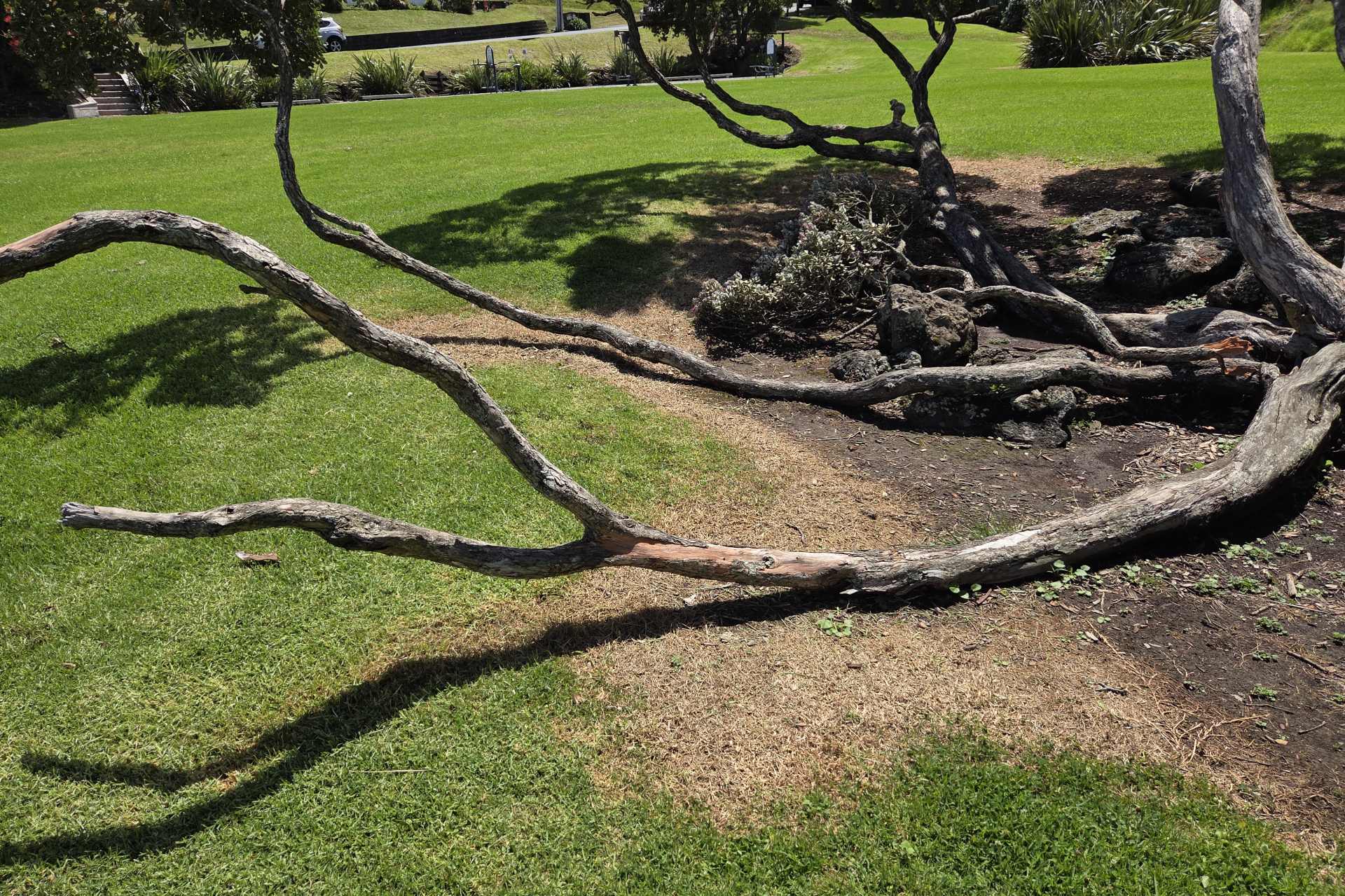
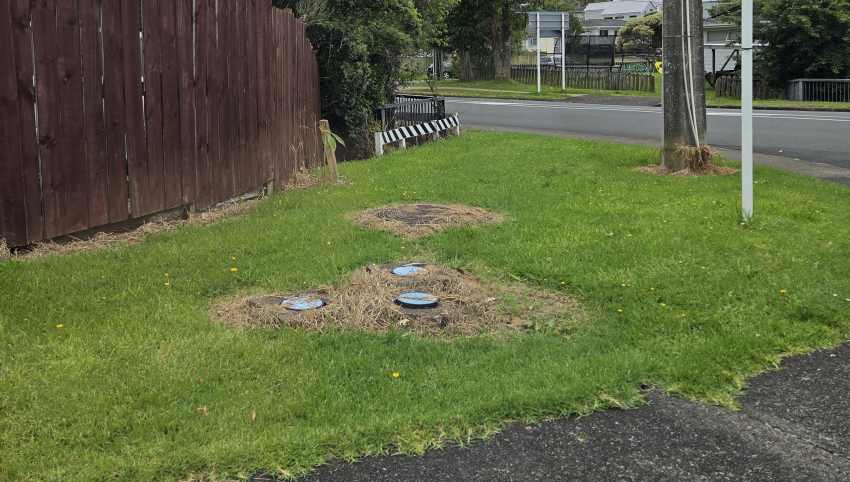
Across New Zealand, herbicides are part of everyday council operations. They’re used along roadsides, around playgrounds, on berms, in parks, and along footpaths. In many cases, it’s so routine that most of us don’t think twice about it.
But once you start looking a little closer, a few questions begin to surface.
What’s being used?
Where is it being used—and how often?
And perhaps most importantly, is this approach still necessary?
From Routine Practice to an Open Question
Herbicide use in public spaces didn’t appear overnight. It developed over time as a practical solution to vegetation control—efficient, scalable, and relatively low cost.
In many cases, it’s still framed that way today.
At the same time, there’s a growing awareness—both here and overseas—that routine chemical use in shared environments may deserve a second look. Not necessarily a blanket rejection, but a reassessment of where, when, and why these products are being used.
That shift doesn’t start with conclusions. It starts with visibility.
What’s Happening Overseas With Pesticide Use in Public Spaces?
In parts of Europe and the UK, councils have begun experimenting with reduced pesticide use in urban environments. Some have phased out herbicides in certain areas altogether. Others have introduced gradual reduction plans, trialling alternative methods and adjusting expectations along the way.
In countries like France and Denmark, restrictions on pesticide use in public spaces have been implemented at a national level.
These changes didn’t happen all at once. They evolved through a combination of policy shifts, public interest, and practical trial and error.
The key takeaway isn’t that one model fits all—but that alternative approaches are already being tested in real-world settings.
How Does New Zealand Manage Herbicide Use in Public Spaces?
Here in New Zealand, herbicide use in public spaces is still largely managed at the council level. That means practices can vary significantly depending on where you live.
Some councils have explored reductions or trialled alternatives. Others continue with established spraying programmes, often guided by operational efficiency, cost, and existing contracts.
What’s less visible is the detail:
- Which products are being used
- How frequently they’re applied
- Where spraying is prioritised or avoided
- And how decisions are made around sensitive areas
This isn’t always easy information to find unless you go looking for it.
What Are Herbicides Used for in Public Areas?
In many cases, herbicides are applied for general vegetation control—managing grass, weeds, and overgrowth in public areas.
That can include:
- Berms and roadside edges
- Footpaths and kerb lines
- Parks and open spaces
- Around fences, signs, and infrastructure
Sometimes this is framed as maintenance. Sometimes as safety. And sometimes, it’s simply about presentation—keeping spaces looking tidy and consistent.
Understanding the reason behind use is an important part of the conversation. Not all applications are the same.
What This Looks Like in Practice
The images below show the same bus stop at two different points in time—shortly after spraying, and several weeks later.
02 December 2025
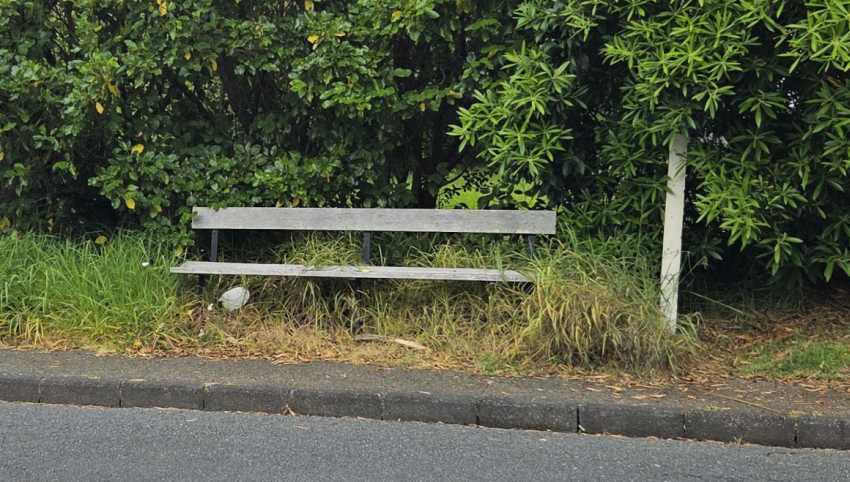
26 February 2026
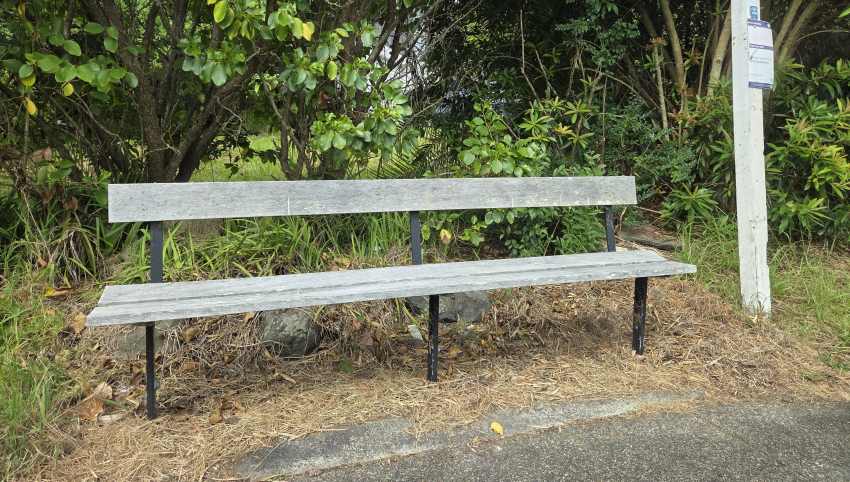
Our concern with spraying tall grass around this bus stop is how easily people may come into contact with it. Anyone sitting or waiting could brush against the surrounding vegetation without realising, and depending on how the herbicide is applied, nearby surfaces—including the seat—may also be affected.
Are There Alternatives to Herbicides for Weed Control?
One of the most common assumptions is that if herbicides weren’t used, there wouldn’t be a viable alternative.
But in practice, councils overseas—and in some cases locally—are trialling a mix of approaches:
- Mechanical methods (cutting, brushing, mowing)
- Thermal treatments (steam, hot water, foam)
- Mulching and planting strategies to suppress weeds naturally
- Adjusting maintenance schedules and expectations
None of these are perfect. Many come with trade-offs in cost, time, or appearance.
Which raises a different kind of question:
Is the goal complete weed elimination—or is it something else?
The Role of Public Expectations in Weed Management
One of the less obvious factors in all of this is public expectation.
Over time, we’ve become used to clean edges, weed-free kerbs, and uniformly maintained spaces. That standard didn’t happen by accident—it’s the result of consistent management choices.
But if the method behind that appearance changes, the outcome may look slightly different.
Some councils overseas have found that reducing pesticide use also requires a shift in how “well-maintained” is defined. Not abandoned—but not perfectly uniform either.
That’s not necessarily a step backwards. It’s just a different balance.
Where Does This Leave Us?
There isn’t a single answer here—and that’s part of the point.
Herbicide use in public spaces sits at the intersection of cost, practicality, environmental considerations, and public comfort. Different communities may arrive at different conclusions.
But before any of that, there’s a simpler step.
Understanding what’s actually happening locally.
How to Ask Your Council About Herbicide Use
If you’ve ever wondered what’s being used in your local parks, playgrounds, or along your street, you’re not alone. For most people, it’s not something that comes up—until it does.
One of the simplest ways to get clarity is simply to ask.
That might include questions like:
- What products are currently being used?
- Where are they applied, and how often?
- Are alternative methods being considered or trialled?
- How are decisions made for areas where children and families spend time?
You don’t need to come to the table with a fixed position. In many cases, asking the question is enough to begin a more transparent conversation about how public spaces are managed.
If you’re not sure where to start, we’ve put together a simple guide you can use when contacting your local council.
Looking Ahead: The Future of Pesticide Use in Public Spaces
As more information becomes available—and as more councils explore different approaches—this is a space that will likely continue to evolve.
For now, the opportunity is simply to bring more visibility to a practice that, for many years, has operated quietly in the background.
Because once something becomes visible, it also becomes open to discussion.
And that’s where meaningful change—whatever form it takes—usually begins.
Further Reading
Investigation of the Mill Road Spraying Incident
Official Information Act request (LGOIMA)
This publicly available LGOIMA request documents how a local spraying incident progressed from community concern to formal council investigation. It offers insight into how herbicide use in public spaces is monitored, reported, and reviewed when questions are raised at a local level.
https://fyi.org.nz/request/21533-investigation-of-mill-rd-spraying-incident-of-oct-2021-initiated-by-nta-manager-calvin-thomas-wdc
Context note: The Mill Road incident was originally raised by the Northland Toxin Awareness Group. No More Glyphosate NZ is independent of that group and has reviewed the matter using council-released documents.
Glyphosate Call for Information — Summary Report (2022)
New Zealand Environmental Protection Authority (EPA)
This summary report outlines how the EPA gathered input from the public, industry, and scientific stakeholders on glyphosate use in New Zealand. It provides a useful overview of how differing perspectives are considered within New Zealand’s regulatory framework.
https://www.epa.govt.nz/assets/Uploads/Documents/Hazardous-Substances/Glyphosate-call-for-information/Glyphosate-call-for-information-summary-report-may22.pdf
EPA Glyphosate Rules and Regulation — Hazardous Substance Guidance
New Zealand Environmental Protection Authority (EPA)
This official guidance explains how glyphosate-based products are approved and managed in New Zealand, including the controls applied to reduce potential risks. It provides a foundation for understanding the regulatory environment councils operate within.
https://www.epa.govt.nz/hazardous-substances/rules-notices-and-how-to-comply/specific-substance-guidance/glyphosate
Ngunguru Student Raises Concerns Over Council Herbicide Spraying
Northern Advocate / NZ Herald
This local report highlights how community concerns—raised in this case by a student—can influence how councils approach herbicide use in public spaces, including changes to notification practices and timing.
https://www.nzherald.co.nz/northern-advocate/news/ngungurus-henry-bedell-raises-concerns-over-councils-herbicide-spray-out-side-school/
Retraction of Key Herbicide Study Won’t Sway Government’s Approach
Radio New Zealand (RNZ)
This article covers the retraction of a long-relied-upon glyphosate study and the New Zealand government’s response. It provides context for how scientific debates can intersect with regulatory decisions and public confidence.
https://www.rnz.co.nz/news/political/582254/retraction-of-key-herbicide-study-won-t-sway-the-government-s-approach
Image Source & Attribution
The feature image on this page was provided by No More Glyphosate NZ.