For years, the glyphosate debate has largely revolved around a familiar set of questions.
Does it cause cancer? Are the residues found in food safe? Do current exposure levels pose a risk to human health?
These questions continue to dominate headlines, courtrooms, and regulatory reviews around the world.
But what if there is another question we should be asking?
Not because the existing questions are unimportant, but because science itself has moved forward. Over the last two decades, researchers have begun uncovering a hidden world inside the human body that was largely ignored by traditional toxicology: the gut microbiome.
Today, scientists are linking the health of our gut microbes to everything from digestion and immunity to metabolism, inflammation, and even mental health. As this field grows, it raises an intriguing possibility.
Could the long-term effects of some chemicals involve not just direct impacts on human cells, but subtle effects on the trillions of microorganisms that help keep us healthy?
Understanding the Human Gut Microbiome
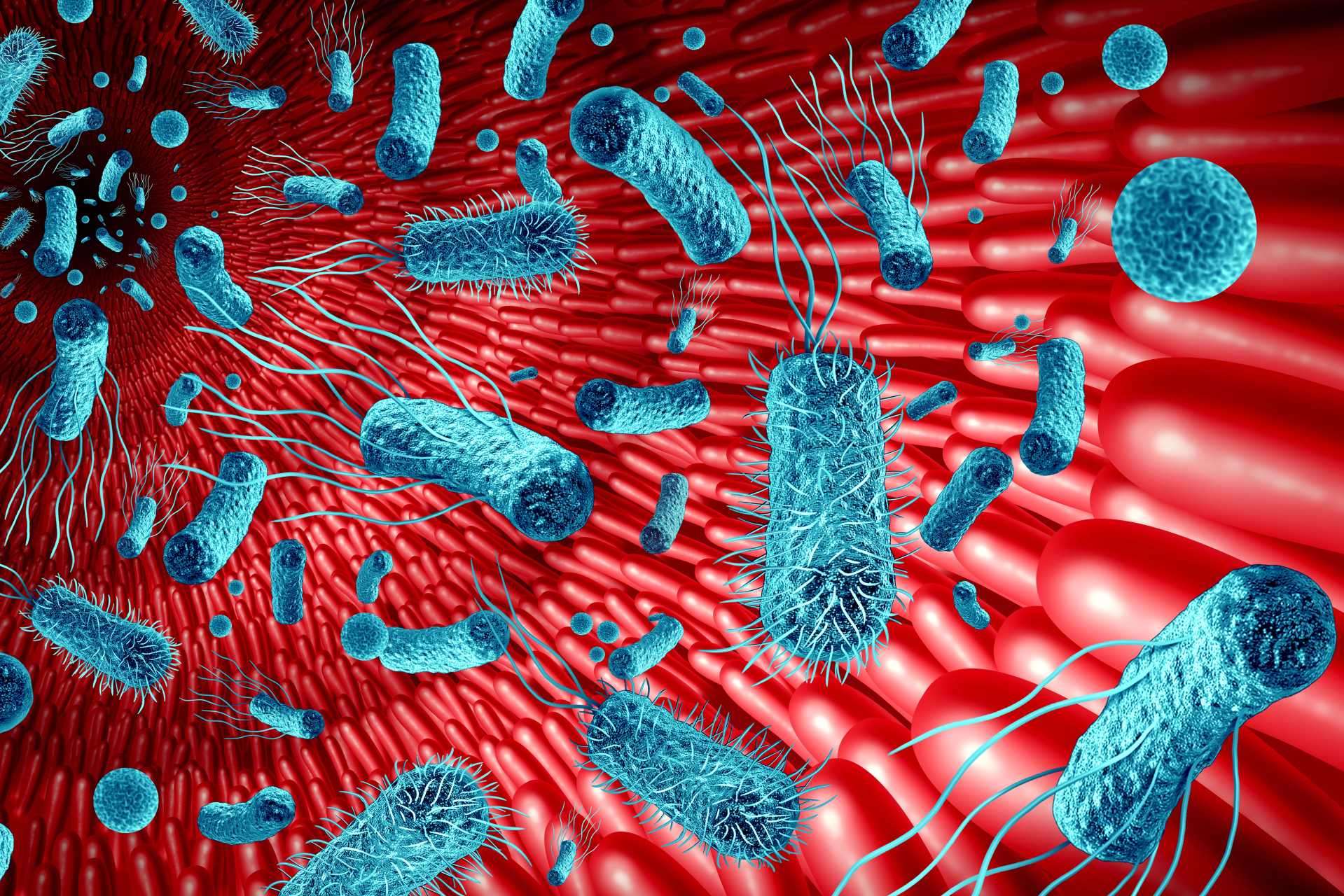
The average human digestive tract contains trillions of microorganisms. Far from being unwanted passengers, many of these microbes perform essential functions that help maintain health.
Researchers now know that gut bacteria play important roles in:
- Digesting certain foods
- Producing beneficial compounds
- Supporting the immune system
- Maintaining the intestinal barrier
- Regulating inflammation
- Influencing metabolism
Rather than viewing these microbes as separate from us, scientists increasingly describe the microbiome as an ecosystem that works alongside the human body.
When that ecosystem is healthy and diverse, it appears to support resilience and wellbeing. When it becomes disrupted, researchers have linked those changes to a growing list of chronic health conditions.
While many questions remain unanswered, one thing is becoming increasingly clear: the health of the microbiome matters.
Akkermansia and Why Scientists Are Studying Gut Health
One of the bacteria attracting growing scientific attention is Akkermansia muciniphila.
Most people have never heard of it, yet researchers are now investigating its potential role in metabolic health, blood sugar regulation, inflammation control, immune function, and gut barrier integrity.
What makes Akkermansia particularly interesting is its relationship with the protective mucus layer that lines the digestive tract. Scientists believe this bacterium may help support the maintenance of that barrier, which acts as one of the body’s first lines of defence.
Research in this area is still developing, and many of the most exciting findings remain preliminary. Nevertheless, the growing interest in Akkermansia highlights a much broader shift occurring within health science.
The microbiome is no longer a niche research topic. It is becoming one of the fastest-growing areas of modern medicine.
Glyphosate’s Overlooked Antimicrobial History
This is where the discussion becomes relevant to glyphosate.
Most people know glyphosate as a herbicide. It is the active ingredient used in many weed-control products and has become one of the most widely used agricultural chemicals in history.
However, there is another part of glyphosate’s history that receives far less attention.
Glyphosate has also been the subject of antimicrobial patents and research.
That fact alone does not prove that glyphosate harms the human microbiome. But it does raise an interesting question.
If scientists are increasingly recognising the importance of gut microbes to human health, should we also be asking whether long-term exposure to common chemicals influences those microbial communities?
Could Glyphosate Affect the Gut Microbiome?
This is where things become complicated.
Some researchers have suggested that glyphosate could potentially influence certain bacterial populations because many microorganisms possess the same biochemical pathway that glyphosate targets in plants.
Laboratory studies have reported varying levels of sensitivity among different microbial species, leading some scientists to question whether glyphosate exposure could shift the balance of microbial communities over time.
Other researchers remain unconvinced.
They argue that the levels typically encountered through food are extremely low and unlikely to produce meaningful changes within the human microbiome. They also point out that laboratory studies do not always reflect what happens inside a complex living digestive system.
In short, the science remains unsettled.
That uncertainty can be frustrating, but it is also where some of the most important scientific questions emerge.
Should Chemical Risk Assessments Consider the Microbiome?
Modern chemical regulation is largely built around traditional toxicology.
Regulators typically ask questions such as:
- Does a chemical cause cancer?
- Does it damage organs?
- Does it affect reproduction?
- At what dose do adverse effects occur?
These are entirely reasonable questions.
But microbiome science introduces a new layer of complexity.
What if a chemical does not directly damage human cells, yet still influences the microbial ecosystem that helps regulate digestion, immunity, inflammation, and metabolism?
Would current testing methods detect that?
Would long-term shifts in microbial populations appear in traditional toxicology studies?
Would regulators even be looking for those effects?
These are not accusations. They are simply questions arising from a scientific field that barely existed when many modern regulatory frameworks were developed.
Why Microbiome Science Could Change Environmental Health
Historically, toxicology has focused on direct cause-and-effect relationships between chemicals and human biology.
The microbiome challenges that model.
Scientists are increasingly discovering that health outcomes may be influenced by complex interactions between human cells, microbial communities, diet, genetics, and environmental exposures. Rather than acting in isolation, these systems appear to work together in ways researchers are only beginning to understand.
This does not mean glyphosate has been proven to disrupt the microbiome.
Nor does it mean existing safety assessments are necessarily wrong.
What it does mean is that the science continues to evolve, and new questions are emerging alongside it.
Where This Leaves Us
For decades, the glyphosate debate has focused primarily on cancer risk, toxicity studies, and residue limits.
Those questions remain important.
But as researchers learn more about the microbiome, another line of inquiry is beginning to take shape. If gut microbes play a fundamental role in maintaining health, understanding how chemicals interact with those microbial communities may become increasingly important.
Perhaps the next chapter of the glyphosate debate will not be defined solely by what glyphosate does to human cells.
Perhaps it will also involve understanding what it does to the trillions of microscopic organisms that live alongside us.
Whether future research ultimately identifies significant effects or finds little cause for concern, one thing seems certain.
The more we learn about the microbiome, the harder it becomes to ignore it.
Further Reading
The Human Microbiome Project
The Human Microbiome Project transformed our understanding of the trillions of microorganisms that live in and on the human body. It helped establish the microbiome as a major area of health research and laid the groundwork for studies exploring links between gut microbes, metabolism, immunity, and disease.
Akkermansia muciniphila: Biology, Microbial Ecology, Host Interactions and Clinical Potential
This comprehensive review examines one of the most studied gut bacteria in modern microbiome science. It explores Akkermansia’s role in the gut mucus layer, metabolic health, immune regulation, and its growing potential as a next-generation probiotic.
The Human Microbiome, Diet, and Health
Published through the U.S. National Academies, this resource provides an accessible overview of how the microbiome influences human physiology and why researchers increasingly view it as a critical component of health and disease.
Impact of Glyphosate on the Composition and Function of the Gut Microbiome
This peer-reviewed review examines the evidence surrounding glyphosate’s potential interactions with the gut microbiome. Importantly, it discusses both the concerns raised by researchers and the uncertainties that remain, making it a useful resource for readers wanting to explore the science in greater depth.
Glyphosate and Metabolic Dysfunction — What the Science Is Telling Us
Examines emerging research linking glyphosate exposure with metabolic health, obesity, insulin resistance, and related biological pathways.
Missing Microbes: How the Overuse of Antibiotics Is Fueling Our Modern Plagues* [Amazon.com]
By Martin J. Blaser
One of the landmark books that helped bring microbiome science into the public conversation. Blaser explores how changes to our microbial environment may influence obesity, allergies, autoimmune conditions, and other modern health challenges. While the book is not about glyphosate, it provides useful context for understanding why scientists are paying increasing attention to the microorganisms that live within us.
*For your convenience, we provide links to Amazon.com. If you choose to purchase through these links, we may receive a small commission — at no additional cost to you. Your support helps us continue our work.
A Thought to Leave You With
For most of modern history, health research focused almost entirely on the human body itself. Today, scientists are increasingly discovering that our health may also depend on the trillions of microorganisms living alongside us. As microbiome science continues to evolve, one of the most interesting questions may not be what chemicals do directly to us, but what they do to the microscopic ecosystems that help keep us healthy.
Image Source & Attribution
We’re grateful to the talented photographers and designers whose work enhances our content. The feature image on this page is by Lightsource.